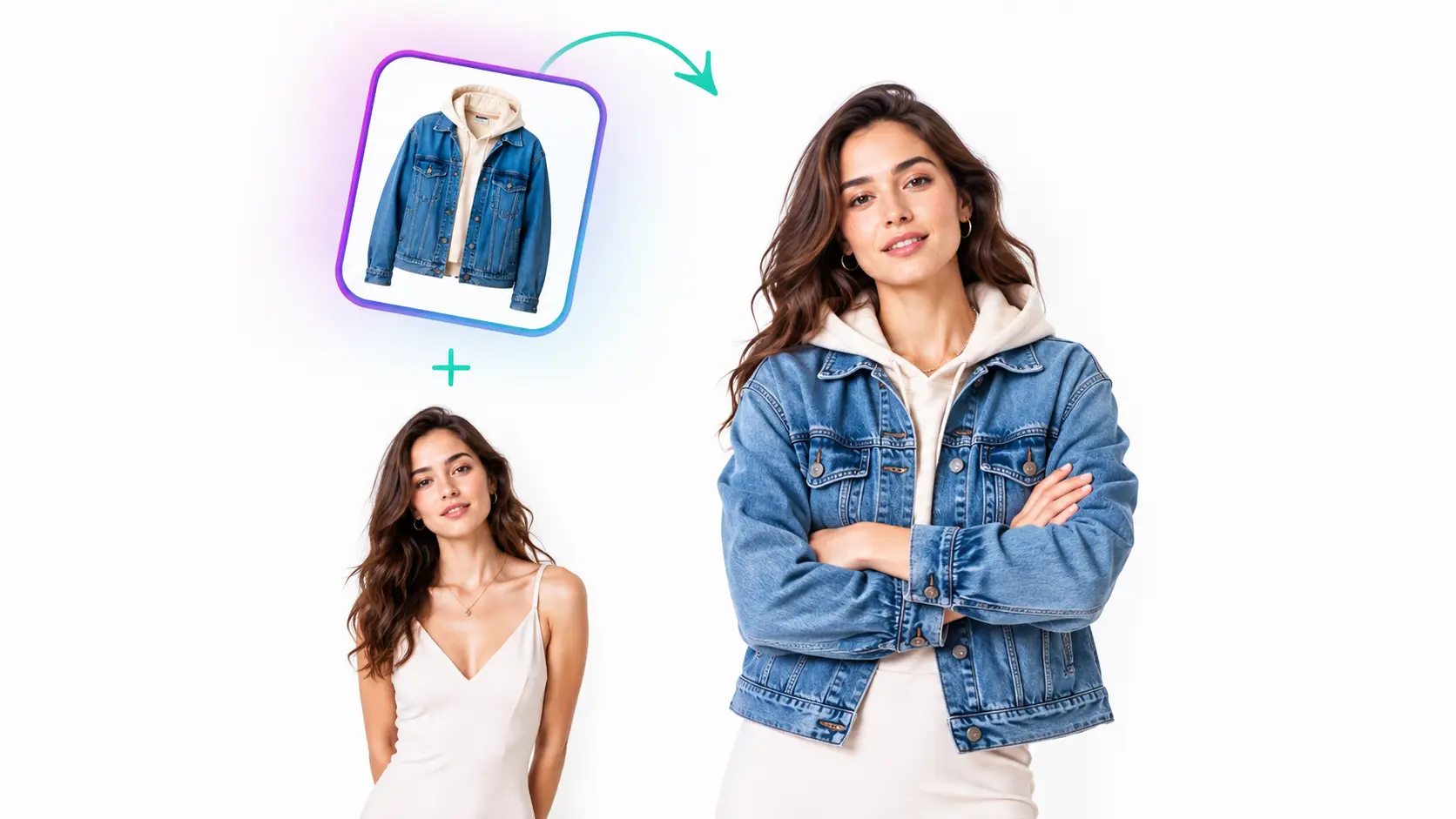
Tired of trying on clothes in cramped fitting rooms or guessing how they will look when you buy? Welcome to the future, where these clothes-swapping AI apps will virtually change your outfits faster than your coffee order. These outfit try-on apps promise realistic fits and zero judgment, unless your cat smirks at your style.
The category has genuinely matured over the last two years. Where earlier virtual try-on apps produced obviously synthetic results that no one trusted for real purchase decisions, modern tools generate photoreal previews that actually inform buying behaviour. Below are 13 clothes swap AI apps worth knowing in 2026, with an honest breakdown of what each one is genuinely good at and where it fits in a real user workflow.
1. Templix AI Clothes Changer
The AI Clothes Changer gives you a strong mix of realism, control, and creative freedom for virtually testing outfits. You can upload a photo or create a fresh image inside the platform, and the AI replaces outfits with precise detail. Fabric texture, colour depth, folds, shadows, and body alignment all stay natural to the original picture. Templix recreates the image with your new outfit at photographic accuracy, producing results that match real styling sessions instead of synthetic mockups or generic filters.
If you are an influencer, fashion professional, or a shopaholic who likes to preview before buying, Templix is the go-to app for experimenting with countless outfit ideas. Attach a blazer, a silk dress, a denim jacket, or a custom outfit description, and the model generates a new version that fits the subject properly. If speed matters (especially when you are shopping in a retail store), each swap finishes in seconds, so you can try multiple looks in minutes.
Templix fits fashion creators, ecommerce teams, boutiques, UGC creators, and influencer workflows. It operates on web and mobile, so fashion teams can run outfit tests from desktops or phones. Since Templix is a full creative suite, users can jump into image editing, video generation, or ad design right after their outfit swap. This ecosystem approach gives Templix a genuine lead over single-feature virtual try-on apps and supports both personal styling and full production pipelines. Free credits on signup mean you can test everything before committing to a paid plan.
Try New Outfits With Templix Free
2. Vidnoz AI Virtual Try-On App
Vidnoz is primarily an avatar generator for AI video creation, but it also includes a solid clothes swap feature that makes it worth mentioning. Users can switch outfits inside photo or video templates and instantly preview how a dress fits on a chosen avatar or subject.
The interface is deliberately simple, so casual users can test style ideas quickly and produce content without friction. Vidnoz works well for early-stage creators who want straight outfit swaps without high-end fashion detail or complex controls. What distinguishes the platform is how it connects outfit swaps to its video engine. Users test clothes on avatars, animate expressions, add voice, sync lips to audio, and export a polished clip.
The library of templates supports fashion promos, UGC ads, TikTok-style videos, and casual style showcases. This creates a dynamic environment for fashion creators who want motion-based content rather than still images. For serious fashion editorial work, more dedicated try-on tools produce cleaner output, but Vidnoz remains a solid pick if video-first workflows matter more than pure garment realism.
3. Fotor
Fotor is an AI image generator and photo editor with a clothes swap feature built into the broader toolkit. The app gives users solid control over outfit style, pattern, and colour. You describe the clothing you want, and the model produces a fresh version that fits the person in the photo.
Fotor deserves credit for its realism, but its value goes beyond simple clothes swapping. You can describe changes in clothing patterns and prints and get the garments changed accordingly. Fotor also includes preset outfit categories, so beginners can switch from tops to dresses to jackets in a few clicks. You can create new styles, refresh an existing wardrobe, and test new outfits before buying. These presets speed up the process when users want quick fashion variations without deep creative planning.
Fotor works for creators who want simple outfit swaps, fast edits, or basic concept testing. The system supports professional headshots too, so you can convert casual photos into corporate pictures with suits or formal outfits. Since the app works on both mobile and web, creators can run quick tests during travel or at their desks. It suits personal use, small business needs, and budget-friendly styling ideas. The free plan covers a limited number of generations, while the paid plan at $8.99 per month supports more advanced workflows and consistent usage.
4. YouCam
YouCam started as an AR app and now focuses on mobile-first fashion and beauty transformations via AI. The app detects faces and bodies with strong accuracy, so clothing and accessories sit naturally on the subject.
You can swap outfits in selfie-style photos and produce social-ready visuals instantly. The system blends clothing changes with makeup and retouch features, which gives users a complete makeover tool in one session. The combination of beauty tools and fashion try-ons creates a unified experience. Users adjust makeup, hair tone, accessories, and clothing inside the same app, so they preview a full look instead of separate pieces. This structure supports influencers, lifestyle creators, and everyday users who want smooth mobile styling without technical steps.
YouCam runs on iOS and Android, which helps it reach a large global audience. The freemium model attracts newcomers, and upgrades unlock deeper fashion features. The large user base gives the platform credibility, and the social-friendly workflow supports fast photo edits for Instagram, TikTok, and daily styling needs.
5. Fitroom
Fitroom is a clothes swap AI app targeted at fashion ecommerce teams looking for accurate digital try-ons at scale. The platform recreates fabric behaviour with strong detail, so silk, wool, cotton, and denim all look authentic on the body.
The accuracy of this dedicated virtual try-on tool helps users preview the true fit and drape of an outfit. Retailers have been using Fitroom to test how a design appears on different body types without expensive photo shoots or physical samples. The system processes outfit swaps quickly, so product teams can move fast during catalogue updates. Fitroom also produces HD-quality images suitable for online stores, social posts, and lookbooks. This supports fast campaign creation and reduces the need for full-scale model shoots.
Fitroom provides an API, so online stores can integrate the try-on feature directly into product pages. Customers test outfits before checkout, which reduces return rates because buyers understand the fit better. Fitroom protects user uploads through encrypted sessions and timed deletion, so retailers and shoppers trust the process. It fits best for ecommerce brands, apparel platforms, and catalogue teams that need accurate, high-volume outfit previews.
Try New Outfits With Templix Free
6. BeautyPlus Swap Clothes AI
BeautyPlus focuses on simple mobile editing, so users swap clothes inside a familiar interface without technical hurdles. The app gives a small number of free outfit changes, and the paid plan opens the full toolset at $8.99 per month. This structure suits personal use, quick outfit ideas, and casual styling moments. Many users already use BeautyPlus for selfies, so clothing swaps fit naturally into their routine.
The app includes strong portrait adjustment tools, so the new outfit blends with skin tone, light, and face detail. BeautyPlus enhances clarity, smooths imperfections, and balances exposure before the outfit change, so the final look stays polished. These touch-up tools matter because they help the clothing match the overall feel of the portrait instead of looking pasted onto the image.
BeautyPlus supports fast social media workflows. Users switch outfits, tune the image, and post directly to Instagram or TikTok. It fits creators who value simplicity and speed over deep customisation. While the try-on feature stays lighter than advanced fashion tools, BeautyPlus works well for selfies, lifestyle posts, and personal styling fun.
7. Magic Hour (AI Clothes Changer)
Magic Hour functions as part of a broader creative suite that covers image work, audio tools, and video features. Users switch clothes inside this ecosystem, so they build a full creative workflow around their outfit edits. This setup helps influencers, designers, and brand creators who want one place for visuals, stylised edits, and final exports.
The platform suits artistic or stylised fashion work. Magic Hour enhances lighting, depth, and mood inside the outfit swap, so users create more cinematic results than strictly realistic ones. This style-forward approach benefits creators who prefer dramatic visuals, aesthetic themes, or editorial fashion concepts. The one-click features help users produce fast results without deep manual tuning.
Magic Hour works well for content creators who want creative flexibility across multiple formats. They test outfit changes, refine the look, and move into audio or video work without switching platforms. This integrated setup supports UGC creators, fashion influencers, and content teams that want expressive visuals rather than pure realism.
8. LightX
LightX gives creators a mix of image and video tools with a built-in outfit swap option. Users run two free generations per day, and the $7 monthly plan unlocks full access. The interface stays clean, so beginners can switch outfits quickly and preview concepts without confusion. LightX suits creators who want fast tests instead of advanced fashion simulations.
The platform includes strong selection and mask tools, so users can target specific clothing areas with precision. This helps match the new outfit to the subject's body and lighting conditions. Colour correction features refine the scene and help the outfit blend with the original environment. These adjustments support polished results without professional training.
LightX exports high-resolution images, so creators can use the results for product showcases, lookbooks, and social posts. The app suits small brands, UGC creators, and personal styling workflows. It adds value when users need quick previews, simple swaps, or clean visual output without a steep learning curve.
9. Canva
Canva enhances virtual try-ons by integrating clothing previews directly into its design platform. Users can take a generated outfit image and place it into existing or new designs without leaving the app. This integration streamlines workflows for marketers, social media managers, and content creators who want cohesive visuals quickly.
The app supports image uploads and allows direct application of templates, making outfit placement fast and versatile. Designers can adjust scale, background, and layout to match the visual context of campaigns or posts. Canva combines try-on functionality with powerful design tools, providing a single window for creative output.
Canva also emphasises accessibility and ease of use. Its drag-and-drop interface suits both beginners and professionals, while templates and pre-designed assets speed up content creation. This makes it ideal for producing professional-quality marketing assets without external software or design expertise. The outfit swap functionality is not as deep as dedicated try-on tools, but the integration into a full design workflow is its real strength.
10. Krea
Krea excels as an AI dress-up app that delivers realistic outfit swaps with high fidelity. Users can swap clothes on uploaded images or AI-generated characters, and the AI preserves fabric texture, folds, and lighting effects. This makes Krea particularly valuable for influencers, fashion brands, and stylists seeking professional visuals.
The platform operates on a browser-based canvas, offering free AI clothes changing while the paid plan at $10 per month unlocks extended creative tools. Krea supports prompt-based customisation, allowing users to specify style, colour, and patterns to generate multiple outfit iterations.
Krea emphasises versatility and speed. Users can test outfit combinations quickly, save results in high resolution, and integrate the images into social media campaigns or ecommerce listings. The combination of realism, ease of use, and creative control makes it one of the top AI clothing apps on the market for creators who want a dedicated fashion-first workflow rather than an all-in-one platform.
11. Pincel
Pincel is another AI image tool with a focus on realistic outfit replacement. Users can upload images and swap outfits while preserving much of the original character's pose and proportions. The tool produces decent results for free, making it accessible to hobbyists, social media enthusiasts, and creators on a budget.
The AI sometimes modifies minor outfit or character details, but the edits remain visually appealing for casual and experimental purposes. Users can try multiple outfit iterations quickly and compare variations, which helps in testing different styles or sharing fun content online.
Pincel emphasises simplicity and accessibility. It provides a straightforward workflow without complex menus, making it suitable for beginners. The free usage option allows anyone to experiment with virtual try-ons without financial commitment, which makes it a popular choice for casual creators who want to test the category before committing to a paid platform.
12. AI Ease
AI Ease provides AI-powered image and video generation tools with an integrated clothes swap feature. The platform charges $9.99 per month and targets creators who want a versatile AI suite for visual content creation beyond just fashion, including ecommerce products, influencer content, and affiliate marketing.
You can generate outfit swaps for images and videos and combine them with other AI-generated media. The tool provides control over style, colours, and textures, so outputs are suitable for social media, portfolios, and marketing campaigns. It handles both single edits and batch processing for efficiency.
AI Ease works well for creators seeking a multi-purpose AI solution. Its combination of image and video generation with clothes swapping can help content creators produce high-quality visuals quickly. The platform supports experimentation with style variations while maintaining visual consistency across projects. The pricing feels steep for just clothes swapping at $9.99 per month, given that other AI clothes changer apps like Templix can do the same for free.
13. Botika
Botika rounds out the list as an AI fashion tool focused specifically on the ecommerce side of the category. The platform generates AI model imagery for fashion brands, letting retailers show their products on a range of AI-generated models representing different body types, skin tones, and demographics without organising a full shoot for each variation.
For fashion ecommerce teams specifically, this addresses one of the most expensive parts of the product-page workflow: shoot production and model diversity. Instead of hiring multiple models and coordinating shoots for every collection drop, brands can generate on-model imagery from garment references, then iterate through the model variations they need for their specific audience.
Botika suits mid-sized to large fashion brands that operate at catalogue scale and need consistent on-model imagery across dozens or hundreds of products per collection. Small brands and personal users typically find Templix, Krea, or one of the mobile-first options a better fit for occasional swap work, but for high-volume ecommerce production, Botika sits in a genuinely useful niche.
Found the Best Clothes Swap AI Apps Yet?
Why settle for hardly fitting outfits when AI can assist you better than any sales rep ever could? From casual try-ons to professional ecommerce setups, these apps are everywhere helping shoppers reduce outfit returns and build better wardrobes. For a deeper look at the business side of the category, our 10 Ways to Use Clothes Swap AI Apps in Business covers the exact use cases fashion brands and retailers are running right now. For creators building AI-powered ad campaigns around clothing content How to Use AI for Clothing Ads covers the full production workflow.
Pick Templix, the AI app that will help you build impeccable taste in your virtual wardrobe too.
Start Using Templix AI Clothes Changer Free
Frequently Asked Questions
What is the best clothes swap AI app in 2026?
Templix AI Clothes Changer is the strongest all-round option in 2026, combining photoreal output, fast generation, mobile and web availability, and full integration with a wider creative suite for image, video, and ad content. Fitroom is stronger for ecommerce API integration specifically, and Krea leads on stylised fashion editorial work, but Templix wins on general-purpose flexibility and price.
Is Templix AI Clothes Changer free to use?
Yes. Templix offers free credits on signup so you can test the AI Clothes Changer and every other tool on the platform at no cost. Paid plans unlock higher credit volumes and priority processing for creators and brands producing at scale.
How does an AI clothes swap app actually work?
AI clothes swap apps use models trained on millions of images of people wearing different garments. When you upload a photo and specify or select an outfit, the AI predicts how the new clothing would sit on your body, matches fabric texture and lighting to the original image, and generates a photoreal preview. The best tools preserve pose, body proportions, and background naturally rather than producing an obviously edited result.
Can I use Templix AI Clothes Changer commercially?
Yes. Output generated on Templix is available for commercial use across ecommerce product pages, brand campaigns, social content, and paid advertising. This applies to output from the AI Clothes Changer and every other tool on the platform.
Which clothes swap AI app is best for ecommerce?
Fitroom and Botika are both strong for ecommerce specifically. Fitroom offers an API for direct product-page integration and focuses on accurate fit prediction. Botika focuses on generating on-model imagery at catalogue scale. For small ecommerce brands that want a general-purpose tool covering both product imagery and marketing content, Templix delivers the widest coverage in a single subscription.
Which clothes swap AI app is best for social media creators?
YouCam, BeautyPlus, and Templix all fit social-first workflows well. YouCam and BeautyPlus are mobile-first and integrate cleanly with Instagram and TikTok publishing. Templix delivers higher-fidelity output with more creative flexibility, plus the full creative suite for producing complete campaigns rather than just individual posts.
What image formats do clothes swap AI apps accept?
Most modern clothes swap AI apps including Templix accept JPG, PNG, and WebP. For best results, upload the highest-quality photo available. Higher-resolution source images consistently produce noticeably better swap output than compressed or low-quality photos.
Are AI clothes swap apps accurate for actual purchase decisions?
The category has improved dramatically over the last two years. Modern tools like Templix produce output realistic enough to genuinely inform purchase decisions, particularly for previewing style, colour, and general fit. For precise sizing decisions, most brands still recommend checking a size chart or using a dedicated fit-prediction tool alongside a visual preview.
Can I combine clothes swap with hairstyle changes for a full look preview?
Yes. Pair the Templix AI Clothes Changer with the AI Hairstyle Changer to test different hairstyles alongside your selected outfit for a complete look preview. Both tools are included in the same Templix subscription without needing separate accounts or file exports.
What is the biggest advantage of using an AI clothes swap app?
Speed and cost. What used to require booking a fitting room appointment, arranging a photo shoot, or hiring a stylist for a preview session can now happen in seconds from your phone. For creators, the compounding advantage is being able to test five or ten outfit variations in the time it used to take to try on one, which directly improves both the quality of styling decisions and the volume of content you can produce.

Sana Iqbal
Sana Iqbal writes on marketing and design for Templix, focusing on AI-powered apps and campaigns that help creators grow audiences and scale their content.