Every AI image model line eventually produces a same-family version comparison. OpenAI's GPT Image family is no exception. When a newer version arrives, working creators face the same practical question: does the newer version outperform the older one across every project type, or does the older one still win in specific creative directions? The most reliable answer comes from running the same prompt through both models on real projects and comparing the actual output rather than reading feature descriptions in isolation.
For creators using Templix, this comparison workflow is fast and low-friction. All four GPT Image versions (GPT Image, GPT Image 2, GPT Image 2.5, and GPT Image 2.5 Pro) live inside the same image model catalog under one subscription with a shared coin balance. This guide covers how the two most-compared versions relate to each other, what each one is confirmed to do well, and includes four sample prompts creators can run through both to see the difference on their own screens.
The GPT Image Family on Templix
The Templix image model catalog at templix.app/ai-models carries four separate GPT Image versions covering the full progression of OpenAI's image model line:
GPT Image: the original release that established the model line
GPT Image 2: the second-generation flagship known for prompt accuracy, in-image text, and photoreal detail
GPT Image 2.5: the newer standard offering in the current generation
GPT Image 2.5 Pro: the premium tier of the current generation for projects requiring the highest available output quality
Alongside the GPT Image family, the Templix catalog includes Nano Banana 2, Nano Banana Pro, Seedream 5.0 Lite, Flux 2 Pro, and Ideogram v4. All image models draw from a single coin balance, so switching between any of them per generation happens as a dropdown selection at generation time rather than a subscription change.
What GPT Image 2 Is Confirmed to Do Well
GPT Image 2 established a reputation among working creators for four specific strengths that keep it relevant even after the newer version arrived.
Strong prompt accuracy on detailed briefs: When a prompt specifies composition, subject placement, environment, and stylistic direction, GPT Image 2 tends to interpret the direction closely on the first attempt, reducing regenerations needed to arrive at output that matches the brief.
Clean in-image text rendering: Written text inside generated images has been a persistent weak spot on many models across the industry. GPT Image 2 handles written text with meaningfully better accuracy and cleaner positioning, which makes it particularly useful for posters, packaging, banners, and any content where legible text inside the image is part of the deliverable.
Photoreal detail across scene generation: For photorealistic output rather than illustrated or stylised aesthetics, GPT Image 2 produces sharp texture rendering, believable material properties, and coherent lighting that reads as convincing photography.
Free to try on Templix: Free credits on signup cover GPT Image 2 alongside every other image and video model on the platform, which lets creators test the model on real project prompts before any subscription commitment.
For creators building stronger prompt technique across image models, our Nano Banana 2 prompt guide covers structural prompt patterns that transfer meaningfully across GPT Image 2 and other image models on the platform.
What GPT Image 2.5 Adds as the Newer Generation
GPT Image 2.5 followed GPT Image 2 as the newer generation of OpenAI's image model line, positioned as the successor within the same architectural family. Both versions remain available on Templix. This is a deliberate choice: the successor relationship between two versions does not automatically mean the newer version wins every direct comparison, since some prompts and creative directions still render better on GPT Image 2 for reasons that are not always predictable from general descriptions.
The practical way most working creators approach the choice is by running the same prompt through both models on a real project and comparing the actual output against the specific creative brief. Templix supports this comparison directly since both versions live in the same image catalog with a shared coin balance.
GPT Image 2.5 Pro: The Premium Tier
Sitting above GPT Image 2.5 in the current generation is GPT Image 2.5 Pro, the premium tier intended for projects where the highest available output quality justifies additional cost per generation. Practical use cases typically include customer-facing hero images running in high-visibility campaigns, editorial content intended for print or premium digital delivery, and any deliverable that will be scrutinised at close distance or displayed at large size. For everyday creative work and batch iteration, standard GPT Image 2.5 covers the workflow at lower per-generation cost.
4 Sample Prompts to Compare Both Models Yourself
The most reliable way to decide between GPT Image 2 and GPT Image 2.5 is running the same prompt through both models on Templix and comparing the output side by side. The four prompts below each test a different challenging area where image models often diverge from each other. Run each prompt through GPT Image 2 first, then run the identical prompt through GPT Image 2.5, and compare what each version produced.
Prompt 1: Multi-Figure Motion and Anatomy
A photorealistic wide shot of three professional basketball players mid-play under stadium lights, one leaping toward the hoop with arms extended and fingertips grazing the rim, one defending below with both arms raised in blocking position, and one crouched behind ready for the rebound. Sweat visible on skin, jersey fabric mid-flutter from motion, individual finger positions and muscle definition accurate. The arena crowd blurred in the background with hundreds of small figures in the stands. Overhead stadium lights creating hard highlights on skin. Shot on 50mm lens, shallow depth of field locked on the leaping player. Photorealistic aesthetic. 16:9 composition.
GPT Image 2 result:
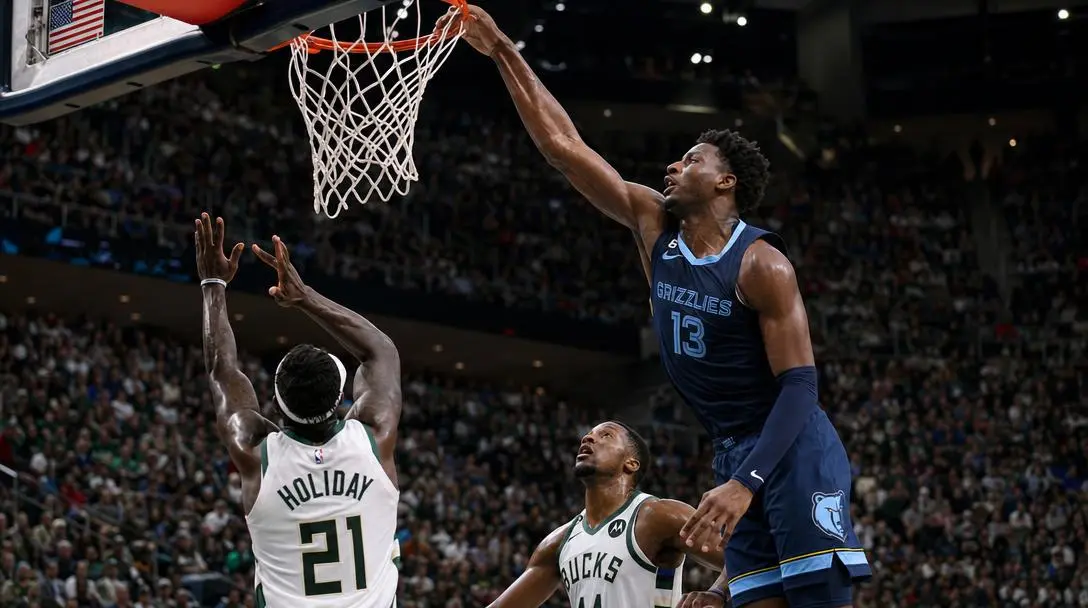
GPT Image 2.5 result:

What this tests: Multi-subject anatomy under motion, correct proportions across several figures at different scales, background crowd density.
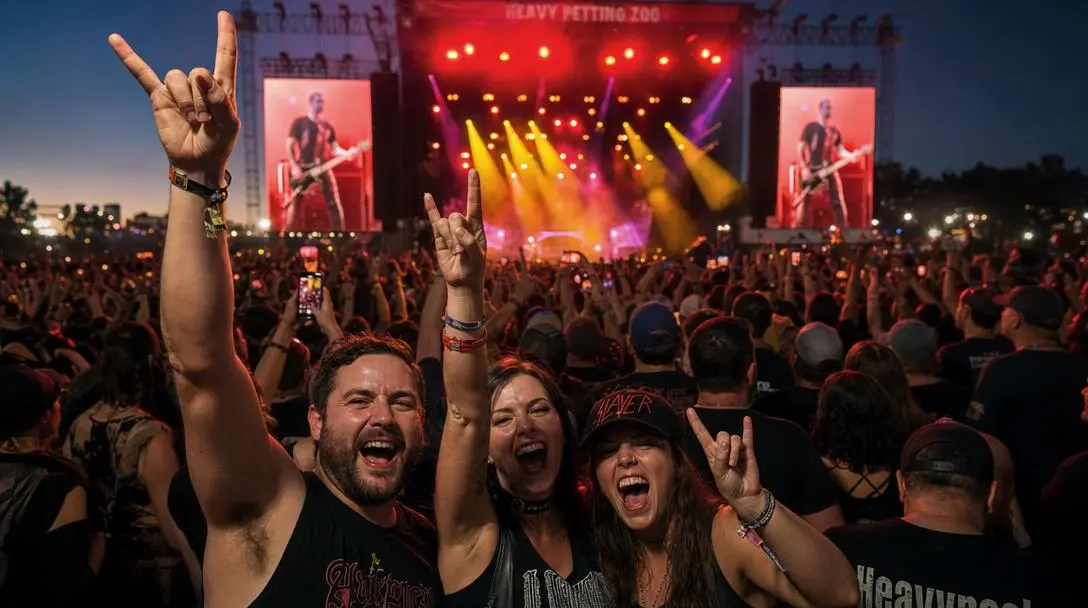
Prompt 2: Dense Crowd and Mixed Lighting
A photorealistic evening scene at an outdoor music festival with dozens of attendees packed shoulder to shoulder facing a stage, raised arms silhouetted against colored stage lights streaming red, purple, and gold across the crowd. Foreground shows three friends mid-cheer with faces clearly rendered. Middle distance shows a dense wave of raised hands and phones held up recording. Background shows the stage bathed in dramatic backlight with atmospheric haze catching the beams. Every visible face maintains correct proportions even at a small scale. Mixed color temperature interplay between warm skin tones and cool concert lighting. Shot on a 35mm lens with a wide field of view. 16:9 composition.
GPT Image 2 result:
GPT Image 2.5 result:
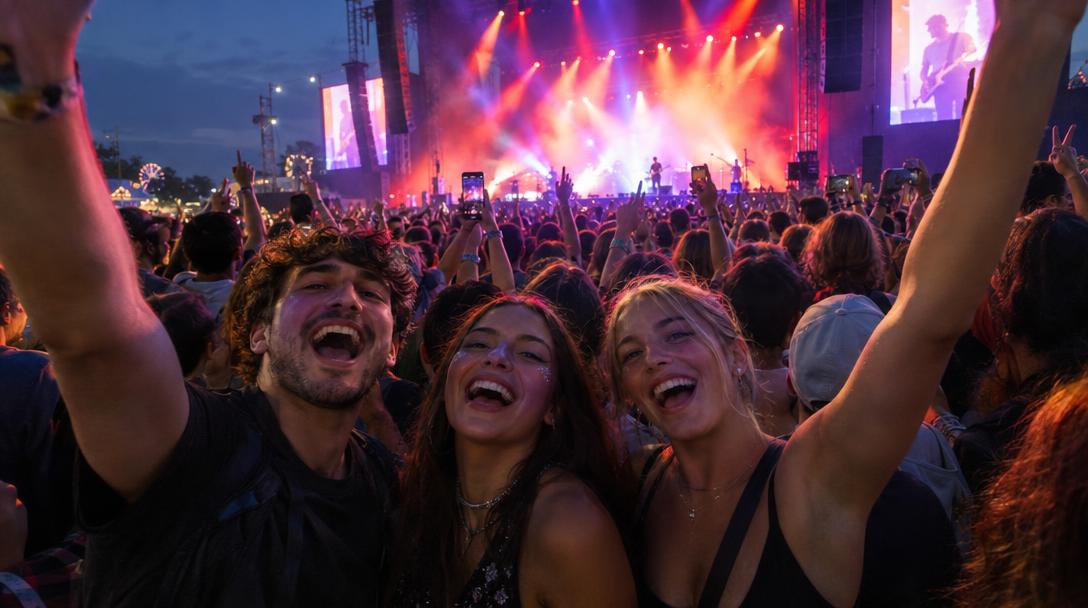
What this tests: Crowd density with maintained facial proportions at small scales, complex mixed lighting temperature interplay, atmospheric depth.
Prompt 3: Reflection and Refraction
A photorealistic still-life composition of a clear crystal wine glass half-filled with red wine sitting on a polished marble surface beside a curved glass decanter and a small silver bowl of olives. Late afternoon sunlight streaming through a window behind the setup, creating individual light refractions through the wine and glass surfaces. Sharp reflections of the composition visible in the polished marble beneath. Water condensation droplets on the decanter's exterior. Complex caustic light patterns projected onto the marble from the crystal facets. Shot on 85mm macro lens, tight composition, shallow depth of field. Warm golden hour palette against cool marble tones. 4:3 composition.
What this tests: Transparent and reflective surface rendering, physically accurate light behaviour through glass, caustic patterns, water droplets.
Prompt 4: In-Image Text Heavy Composition
A photorealistic magazine cover mockup for a fictional food publication called "SEASON" featuring a top-down shot of a rustic homemade pizza on parchment paper. Cover typography visible: "SEASON" masthead in bold serif, "Winter Issue" subhead beneath, "Recipes Worth Your Time" tagline, three cover story callouts reading "12 One-Pot Meals", "The Perfect Sourdough", and "What to Cook Tonight". Wooden table surface visible around edges. Natural window light from left, warm shadows. All text should render correctly with proper letter spacing and consistent typography. Portrait 3:4 magazine format.
What this tests: In-image text rendering across multiple typography sizes and styles, layout coherence, legibility of small callout text.
Once both generations are complete, compare each pair against the specific project brief rather than judging generically. For projects requiring subject consistency across multiple generated images, extend the test by running three to five variations through both models. Our character consistency guide covers the reference-locking techniques and prompting patterns that support consistent output across a series regardless of which model runs each generation.
Which Version to Reach For and How to Access
Once creators have run direct comparisons on a few representative prompts, natural patterns emerge for when each version fits best.
Reach for GPT Image 2 when direct comparison shows it producing output that fits the brief better, when the project needs its confirmed strengths (prompt accuracy, in-image text, photoreal detail), or when existing workflows are built around it.
Reach for GPT Image 2.5 when starting fresh workflows without dependencies on GPT Image 2, or when direct comparison shows the newer version fitting the project brief better.
Reach for GPT Image 2.5 Pro for customer-facing hero images, editorial or print delivery, and premium deliverables where the extra quality margin justifies additional per-generation cost.
Consider other Templix models when the project fits an aesthetic direction where another model produces stronger output. The Nano Banana 2 model page covers what that model handles particularly well.
For creators comparing Templix's image catalog against alternatives outside the platform, our best Midjourney alternatives guide covers 10 leading image models with real cost comparison.
Templix subscriptions start at Basic (14.99monthly,5,000coins),Standard(29.99 monthly, 15,000 coins), and Ultimate ($74.99 monthly, 30,000 coins), with annual billing cutting 20 to 27 percent. Free credits on signup cover all four GPT Image versions plus every other model at no upfront cost. The exact coin cost of each generation displays on the button before running. For images requiring print or high-DPI display, the Templix Image Upscaler upscales output from any GPT Image version as a finishing step.
Frequently Asked Questions
What is the main difference between GPT Image 2 and GPT Image 2.5?
GPT Image 2 and GPT Image 2.5 are two successive generations of OpenAI's image model line, both available on Templix. GPT Image 2 is known for strong prompt accuracy on detailed briefs, clean in-image text rendering, and photoreal detail across scene generation. GPT Image 2.5 followed as the newer generation within the same architectural family. Running the same prompt through both models on a real project is the most reliable way to see which version fits a specific creative direction better.
How many GPT Image models does Templix carry?
Four: GPT Image (the original release), GPT Image 2 (the second-generation flagship), GPT Image 2.5 (the newer standard offering), and GPT Image 2.5 Pro (the premium tier of the current generation). All four sit under one subscription drawing from a single coin balance, so creators can switch between them per generation as project requirements shift.
What is GPT Image 2.5 Pro and when should I use it?
GPT Image 2.5 Pro is the premium tier of the current GPT Image generation on Templix, intended for projects where the highest available output quality justifies additional cost per generation. Practical use cases include customer-facing hero images, editorial content for print or premium digital delivery, and other deliverables scrutinised at close distance or displayed at large size. For everyday creative work and batch iteration, standard GPT Image 2.5 covers the workflow at lower per-generation cost.
Why do you recommend running the same prompt through both models?
Because same-family version comparisons often produce meaningfully different output on the same prompt, and the differences do not always align with what general feature descriptions predict. Some prompts render better on GPT Image 2, some on GPT Image 2.5, and only direct comparison on your actual project prompt reveals which version fits best. The four sample prompts in this guide give creators a starting set to test the difference across four different challenging areas.
Can I test GPT Image 2 and GPT Image 2.5 for free?
Yes. Free credits on Templix signup cover all four GPT Image versions along with every other image and video model on the platform. Creators can run the same prompt through both GPT Image 2 and GPT Image 2.5 as a direct comparison on real project prompts before committing to a paid subscription.
How much does GPT Image 2.5 cost on Templix?
Templix subscriptions start at Basic (14.99monthly,5,000coins),Standard(29.99 monthly, 15,000 coins), and Ultimate ($74.99 monthly, 30,000 coins). Annual billing cuts pricing by 20 to 27 percent depending on tier. The exact coin cost of each generation displays on the button before running, which keeps per-image budgeting predictable across a comparison session.
Is GPT Image 2 still worth using now that GPT Image 2.5 exists?
Yes for the projects where it fits. GPT Image 2 remains available on Templix and retains its confirmed strengths in prompt accuracy, in-image text, and photoreal detail. Creators with existing workflows built around GPT Image 2 can continue using it without migration overhead, and some creative directions still render better on GPT Image 2 than on the newer version.
Does Templix carry image models other than the GPT Image family?
Yes. The Templix image catalog also includes Nano Banana 2, Nano Banana Pro, Seedream 5.0 Lite, Flux 2 Pro, and Ideogram v4 alongside the four GPT Image versions. All image models draw from a single coin balance under one subscription, so creators can switch between any of them per generation.
Fatima Sheikh
Fatima Sheikh explores AI-powered apps at Templix, writing accessible guides that show everyday creators how to unlock powerful tools without any technical barriers.